
Publications
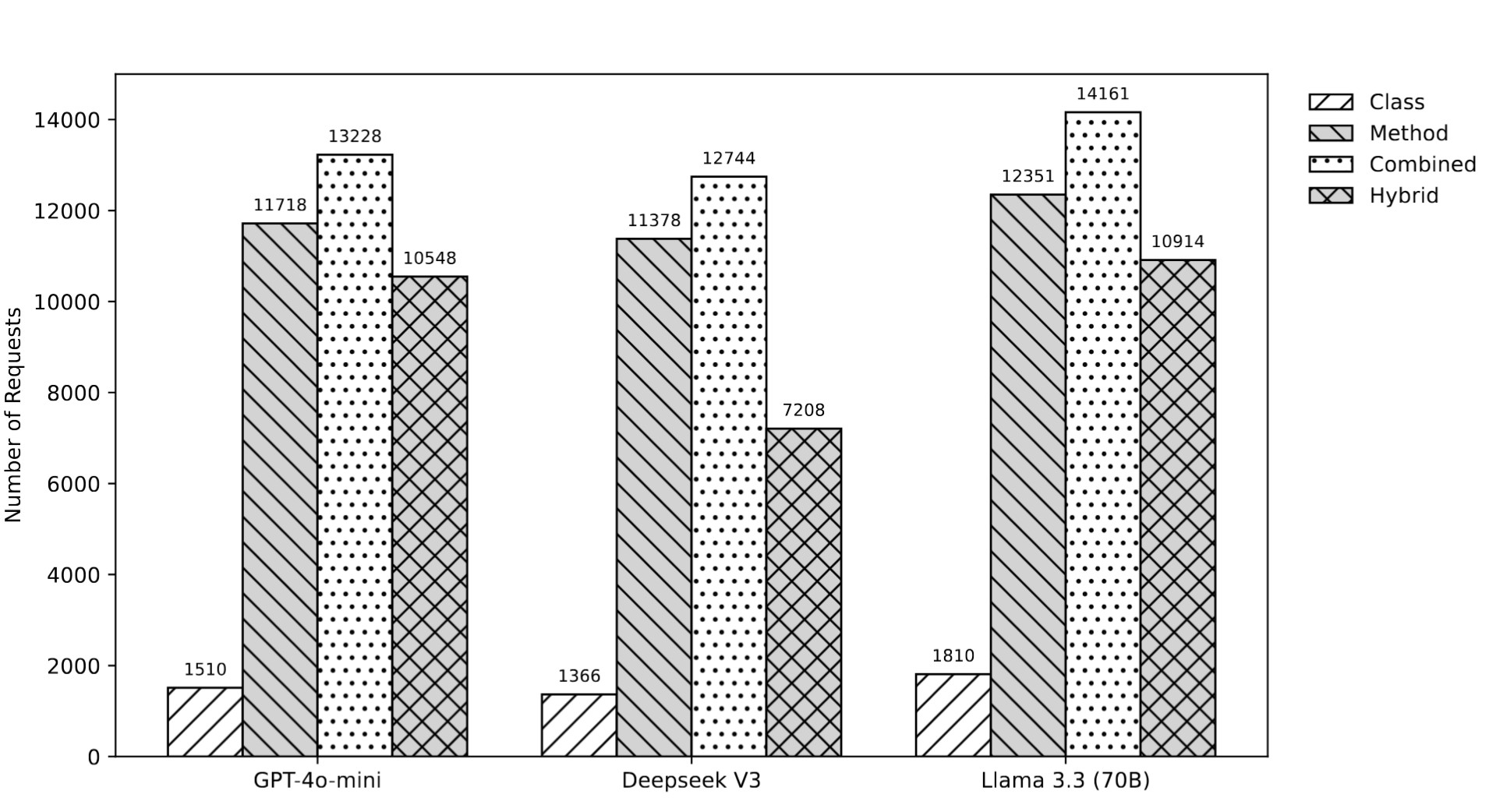
How well LLM-based test generation techniques perform with newer LLM versions?
Abstract:
This study shows that modern LLMs using a simple test-generation approach can outperform more complex state-of-the-art techniques in code coverage and fault detection while maintaining comparable or lower costs.
Read more : Link
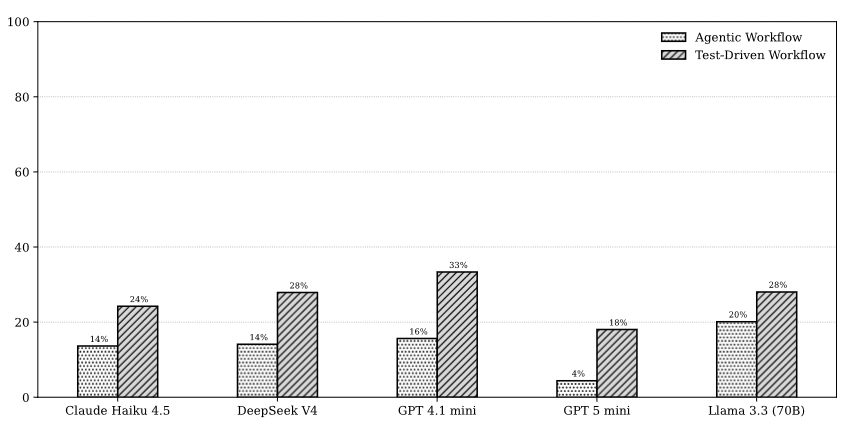
On the risk of coding before testing: An empirical study on LLM-based test generation workflow
Abstract:
The paper investigates error propagation in LLM-based software development, where mistakes in LLM-generated code can bias subsequently generated tests, causing both the implementation and tests to agree on incorrect behavior. Experiments show that tests generated after faulty code detect significantly fewer defects than independently generated tests (14% vs. 25%), and the problem persists across different prompting strategies and multi-step agentic workflows.
Read more : Link
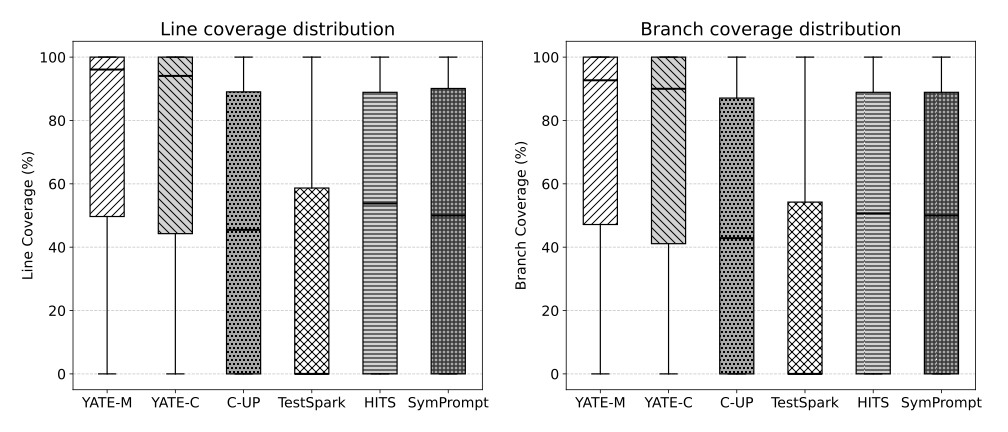
YATE: The Role of Test Repair in LLM-Based Unit Test Generation
Abstract:
This study introduces YATE, a technique that repairs incorrect LLM-generated unit tests using static analysis and re-prompting, significantly improving code coverage and fault detection over existing LLM-based testing methods.
Read more : Link
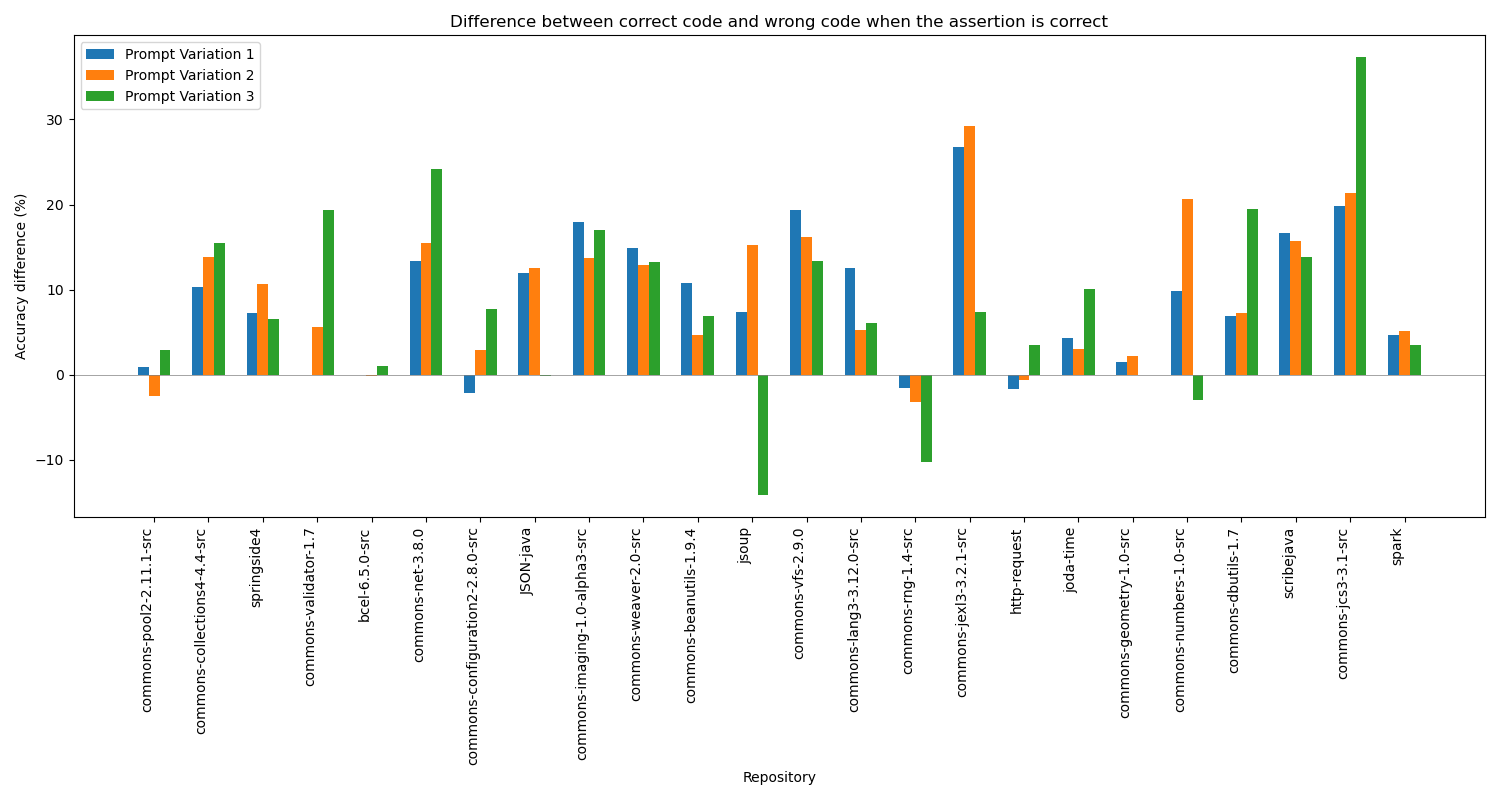
Do LLMs generate test oracles that capture the actual or the expected program behaviour?
Abstract:
This study evaluates LLMs for software test oracle generation and finds that, despite often capturing actual rather than expected behavior, LLM-generated oracles can outperform traditional tools like EvoSuite in fault detection.
Read more : Link
A Novel Multidisciplinary Approach for Reptile Movement and Behavior Analysis
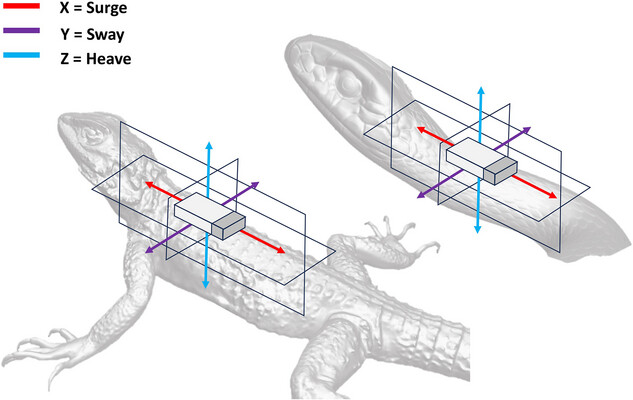
Abstract:
This study presents a multidisciplinary approach combining accelerometers, video, motion capture, 3D reconstruction, and behavioral databases to accurately record, visualize, and analyze complex behaviors in small reptiles.
Read more : Link
Digitizing Wildlife: The case of reptiles 3D virtual museum
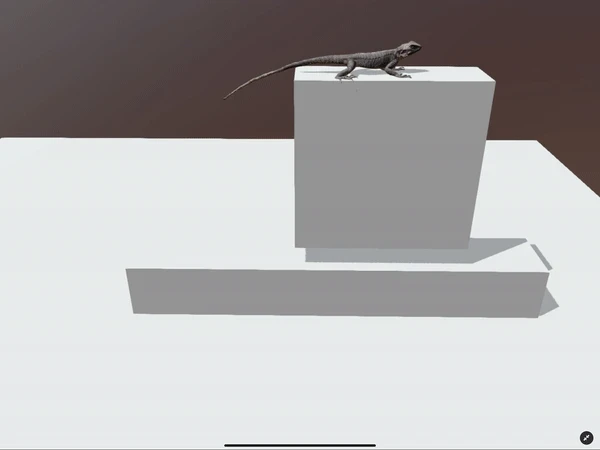
Abstract:
The paper presents an interactive 3D virtual museum that uses realistic reptile models, motion-captured behaviors, and VR/AR technologies to support wildlife education, research, and preservation.
Read more : Link